Have you ever noticed a burnt taste coming from your vape even though the device still appears to contain e-liquid?
This is a common question among people trying to understand how vaping devices work. A burnt or unpleasant taste does not always mean that the e-liquid reservoir is completely empty. In some cases, the problem is related to the heating coil, wicking material, airflow system or temperature inside the device.
Understanding these components can help explain why a vape may produce a burnt taste before its remaining e-liquid is exhausted.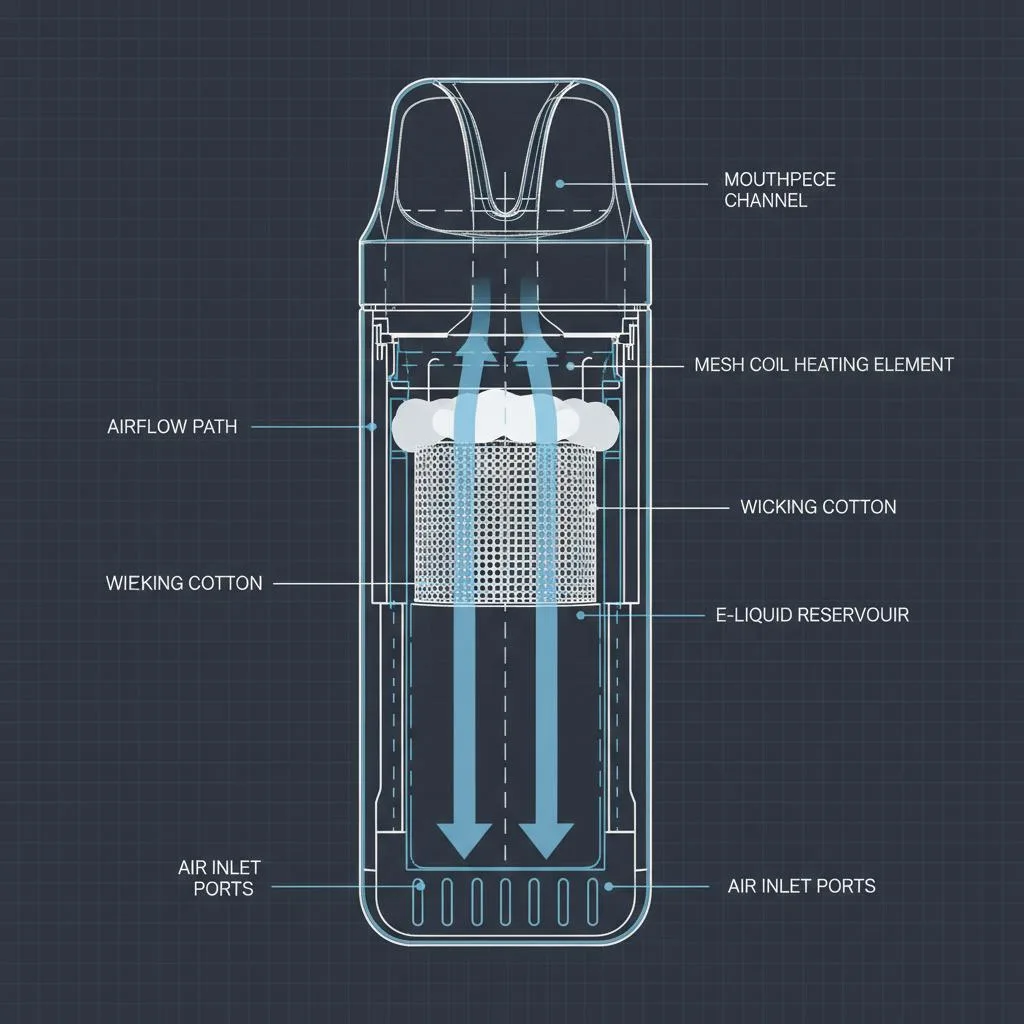
1. The Wicking Material May Be Too Dry
One of the most common technical explanations for a burnt taste is insufficient e-liquid reaching the heating element.
Many vaping devices use cotton or another absorbent material to transport e-liquid from the reservoir to the coil.
During normal operation, the liquid absorbs some of the heat generated by the coil. However, if the wick becomes too dry, the heating element may overheat the surrounding material.
This condition is commonly described as a dry hit.
Possible contributing factors include:
Insufficient e-liquid reaching the coil.
Uneven liquid distribution inside the device.
Deterioration of the wicking material.
Restrictions within the liquid delivery system.
Excessive heating of the coil.
A device can therefore contain visible e-liquid while the material immediately surrounding the coil remains inadequately saturated.
2. The Heating Coil May Have Deteriorated
The heating coil is responsible for converting electrical energy into heat.
Over time, heating elements may develop deposits from e-liquid ingredients. These deposits can affect how heat is distributed across the coil surface.
As deposits accumulate, the device may experience uneven heating or changes in aerosol production.
A burnt taste may also occur when the wicking material surrounding the coil has already been damaged by excessive heat.
Once internal wicking material has been scorched, the unpleasant taste may persist even if some e-liquid remains.
This is particularly relevant to sealed disposable devices, where internal components are generally not designed for consumer replacement.
3. Repeated Heating Can Increase the Risk of Overheating
Every activation of a vaping device generates heat.
When the heating element is activated repeatedly with insufficient time for cooling or liquid redistribution, the internal temperature may increase.
If the wick cannot supply enough liquid to the coil, localised overheating may occur.
This can contribute to:
Unpleasant burnt or scorched flavours.
Changes in aerosol production.
Thermal degradation of e-liquid ingredients.
Damage to internal wicking materials.
Increased wear on heating components.
The presence of e-liquid does not necessarily prevent these problems.
If a device repeatedly produces a burnt taste or becomes unusually hot, stop using it rather than attempting to continue heating the coil.
4. Airflow Restrictions May Affect Device Performance
Airflow is an important part of the vaping process.
Air entering the device helps move aerosol through the internal air channel. The design of the airflow system can also influence temperature distribution around the heating element.
When airflow is restricted, the operating conditions inside the device may change.
Possible causes include condensation, debris, manufacturing defects or damage to internal components.
However, a burnt taste should not automatically be attributed to blocked airflow. Similar symptoms can result from multiple internal faults.
Avoid inserting sharp objects into a sealed device or attempting to modify its airflow channels.
5. The E-Liquid May Not Be Reaching the Coil Even When the Indicator Shows Liquid Remaining
Some vaping devices feature screens or indicators designed to estimate remaining e-liquid.
These displays do not necessarily measure the precise amount of liquid available at the heating element.
Depending on the device design, the indicator may rely on estimated consumption rather than direct measurement.
As a result, a screen showing remaining e-liquid does not guarantee that the wick is properly saturated.
This explains why some devices may display liquid remaining while producing an unpleasant burnt taste.
It is important to distinguish between e-liquid remaining in the reservoir and e-liquid reaching the coil.
6. Storage Conditions Can Affect Internal Components
Environmental conditions can influence the performance and condition of vaping devices.
For example, prolonged exposure to excessive heat may affect battery safety, liquid properties and internal materials.
This is particularly relevant in Australia, where vehicles and other enclosed spaces can reach high temperatures during summer.
Poor storage conditions may contribute to leakage, component deterioration or changes in device performance.
Devices should not be left in direct sunlight, near heat sources or inside hot vehicles.
If a vape shows signs of swelling, leakage, physical damage or unusual heating, discontinue use and seek appropriate disposal advice.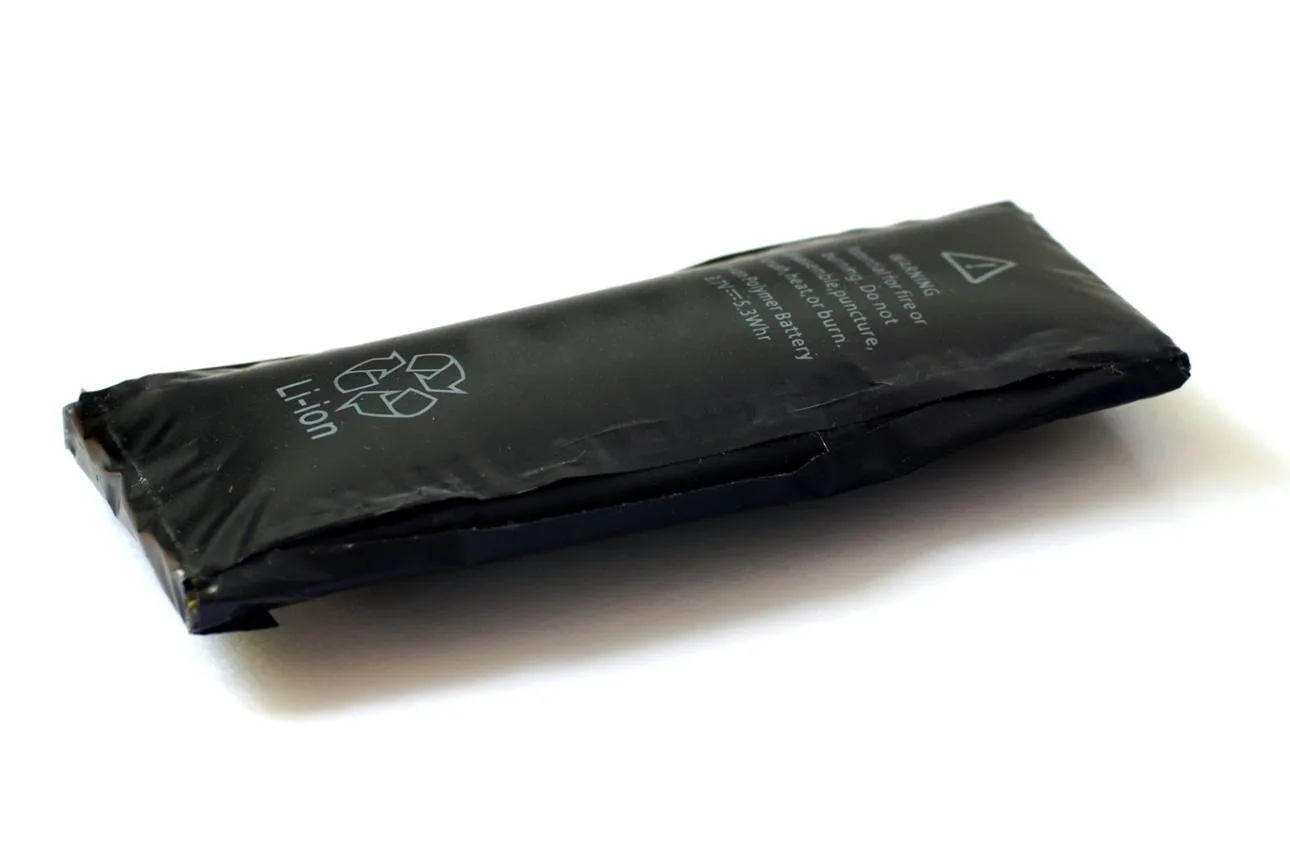
7. Is a Burnt Vape Taste Dangerous?
A persistent burnt taste can indicate that the heating system is operating abnormally.
Overheating may cause thermal decomposition of e-liquid ingredients and surrounding materials, potentially changing the chemical composition of the aerosol.
A burnt taste alone cannot establish exactly which substances are present or their concentrations. However, it should not be ignored.
Stop using the device if you notice:
A persistent burnt or scorched taste.
Unusual heat from the device.
Visible smoke coming from the battery area.
Swelling, leaking or damaged components.
Unexpected electrical or charging behaviour.
Do not attempt to open, puncture or repair a sealed disposable vaping device.
If you develop significant breathing difficulties, chest pain or other concerning symptoms after exposure, seek medical attention.
8. What Should You Do If Your Vape Tastes Burnt?
The safest response depends on the condition of the device.
ObservationPossible explanationRecommended responseBurnt taste despite liquid remainingInadequate liquid deliveryStop using the deviceBurnt taste that persistsDamaged wick or coil depositsDo not continue heating itDevice becomes unusually hotPossible overheating or electrical faultStop use and keep away from flammable materialsLiquid indicator shows remaining liquidEstimated display or uneven liquid distributionDo not rely on the indicator aloneLeakage or physical damageComponent or seal failureDo not charge or use the deviceUnusual battery swelling or hissingPotential battery failureAvoid handling unnecessarily and seek urgent safety adviceA sealed disposable device should not be dismantled to investigate a burnt taste.
For disposal, follow local council guidance on lithium batteries and vaping waste. Do not place devices containing batteries into ordinary household rubbish or kerbside recycling bins.